


Inventory financing can help liquor stores secure quick funds to purchase stock and fill their shelves. Liquor stores often use them when their working capital is tied up in unsold inventory, and they need to restock bestsellers or stock up for peak seasons.
Yet, we see many liquor stores struggle to secure fast financing as banks often take 60 to 90 days to evaluate their applications and fund loans. Liquor stores usually can’t afford to wait this long for funds because they need to stock their shelves immediately.
In addition, banks typically view liquor stores as high-risk and have overly strict eligibility requirements for them, such as near-perfect credit, large profit margins, extensive cash reserves, low debt-to-income, down payments, and more.
Instead of traditional small business loans, revenue-based financing tends to be a better choice for liquor stores. These financing options mainly evaluate your monthly revenue, which has three advantages:
- Easier qualification: Since the main consideration is revenue, all you need to do is meet the minimum revenue requirement. You don’t have to worry about credit, collateral, profit margins, or cash reserves, like with traditional banks, making it easier to qualify.
- Fast funding: Revenue-based financing only requires a few months of bank statements that show you meet the revenue minimum. This lightweight paperwork expedites the approval process and allows you to secure funds quickly. With Redline Capital, for example, we can close on the day you apply.
- Larger loan amounts: Liquor stores can secure inventory financing worth 200% of their monthly revenue with revenue-based financing, while banks typically lend a maximum of 50%. This can help liquor stores capitalize on supplier discounts that may only be available through larger orders.
In this article, we explain how liquor stores can secure affordable inventory financing within 24 hours with Redline Capital, requiring just 4 months of bank statements. At the end, we cover some alternative sources of financing so you can compare options.
Ready to apply? Submit four months of bank statements and we’ll send you inventory financing offers that can be funded as early as today or tomorrow.
| Funding Features | Redline Capital | Other Lenders |
| Eligibility requirements | $30,000 in monthly revenue, one year in business, and U.S-based. | Near perfect credit, large profit margins, low debt-to-income, cash reserves, collateral, no prior judgements or liens, and more. |
| Paperwork requirements | A 4-month bank statement. | Financial statements, tax returns, cash flow forecasts, business plans, accounts receivable reports, and more. |
| How quickly can they close? | On the same day you apply. | Within 60 to 90 days. |
| Do you need collateral or cash reserves? | No. | Most of the time. |
| Can you qualify with bad credit? | Yes. | No. Most lenders require near perfect credit. |
| Do they reject your application at the last-minute? | Never. We give you a concrete yes-or-no hours after you submit an application. | Yes. This is very common. |
1. Redline Capital
Secure Same-day Liquor Store Inventory Financing with Just 4 Months of Bank Statements

We designed our inventory financing requirements so that it’s possible for most liquor stores to qualify:
- $30,000 in monthly revenue
- One year in business
- A U.S location
Because our primary consideration is your monthly revenue, all you need to apply is a 4 months of bank statements that reflects your earnings. You don’t have to collect and submit profit and loss statements, tax returns, inventory documentation, financial statements, cash flow forecasts, business plans, and other paperwork that banks ask for.
Thanks to this simple, low-paperwork process, you can get funded the same day you apply. Unlike banks, we don’t spend 60 to 90 days underwriting mountains of paperwork and scrutinizing every aspect of your business.
In fact, there have even been cases of liquor store owners that ran out of best-selling stock and needed to restock urgently, and we got them funded in just four hours.
How to Apply for Liquor Store Inventory Financing
Applying for liquor store inventory financing with Redline Capital takes less than five minutes:
- Upload 4 months of bank statements demonstrating your liquor store’s revenue.
- Our underwriters review your bank statement, run a soft credit check that doesn’t impact your personal credit score, and send multiple offers within a few hours. These can include term loans, working capital loans, cash advances, and business lines of credit. Each offer outlines the loan amount, total repayment, repayment timeline, and payment frequency (weekly, monthly, or quarterly).
- Choose the offer you prefer and send us an email with your decision.
- Once you’ve accepted, you receive the funds in your account within a few hours. From submitting your bank statements to receiving funds, the whole process takes under 24 hours.
Compare this with banks and credit unions’ SBA loan programs. You’ll need to book an appointment to talk with a loan officer, whether in person or virtually, and explain your business, why you need a loan, and how you plan to repay it.
The loan officer informs you of the required paperwork. You collect and submit tax returns, balance sheets, business plans, liquor licenses, inventory reports, and any other documents they ask for.
The bank begins evaluating and underwriting your application, which takes 60 to 90 days. Your application could be rejected days before funding, for example if they encounter problems 80 days into the underwriting process.
Types of Liquor Store Inventory Financing We Offer
There are four main types of loans liquor stores can use to finance inventory purchases:
- Working capital loans: Also known as a merchant cash advance (MCA), these short-term loans provide quick funding so that stores can prepare for busy seasons or restock best-selling products. We can extend a working capital loan worth up to twice your monthly revenue.
- Term loans: These loans are larger in size than working capital loans and are repaid over a longer period, typically 2 to 5 years. Term loans are common among liquor stores seeking to capitalize on supplier discounts that require larger orders than they can afford. However, they can also be used for equipment financing, business acquisitions, renovations, or refinancing debt.
- Business lines of credit: These are similar to business credit cards, providing liquor store owners with a credit limit that can be used as expenses arise. You only pay interest and fees on the amount used.
- SBA loans (Small Business Administration): These are government-backed loans designed for small businesses, which can be used for a variety of purposes, including inventory financing. Because these loans are secured by the government, they often have lower interest rates. However, the big drawback is that they take 60 to 90 days to fund and have stricter requirements than revenue-based financing.
3 Factors That Set Redline Capital Apart From Other Financing Providers
Here are three factors that differentiate Redline Capital from other financing providers on the market:
- We can help you secure the lowest rates for your business
- We have experience working with liquor stores
- We never pressure you into accepting offers
1. We Can Help You Secure the Lowest Rates for Your Business
To secure the lowest possible rates, many borrowers mistakenly believe they must go directly to the lending source and avoid brokers.
However, borrowers can actually secure better offers when applying through a high-quality broker, such as Redline Capital.
This is possible because we’ve helped top lenders grow their lending business by delivering hundreds of millions of dollars in loans. In exchange for all our business and as an incentive to deliver more business, lenders offer our applications preferred pricing, discounts, and more flexible repayment terms that are not available to direct applicants.
So, when you apply through Redline Capital, you’re basically leveraging the business we’ve generated for our lending partners (e.g., On Deck, Rapid Finance, Headway Capital) to secure rates and terms that are not otherwise available.
The volume of business we send lenders also gives us negotiating power that individual borrowers don’t have; we can negotiate for lower rates or more flexible loan terms. For example, we’ve negotiated terms where a liquor store business could make interest-only payments for the first six months. Then, when sales picked up in November and December, they made larger installments.
Business owners rarely get this type of financing flexibility when applying on their own.
2. We Have Experience Working with Liquor Stores
We always recommend evaluating whether a lender has worked with liquor store owners before and understand the intricacies of the industry.
This is important because the liquor retail business is nuanced, and what might seem like red flags to lenders are often just part of how the industry operates. For example, liquor stores typically have thin profit margins and most of their profits come from volume sales rather than large markups.
A lender without experience in the liquor industry might see your thin profit margins as a sign of poor performance rather than a normal aspect of the business, leading them to charge higher rates and fees.
With Redline Capital, we’ve been funding liquor entrepreneurs for over 10 years and have a deep understanding of the industry’s specifics. As a result, we won’t charge you higher rates for having thin profit margins, seasonal sales fluctuations, or other things normal to the liquor retailers.
3. We Never Pressure You Into Accepting Offers
One of the biggest issues in the business lending space is the presence of unscrupulous lenders who prioritize profit over what’s best for the borrower.
When you submit an application with these lenders, they’ll send you expensive, predatory offers and aggressively pressure you to accept them. We’ve even heard stories about borrowers getting hundreds of phone calls and emails from lenders pressuring them to accept.
That’s why we always recommend reading online reviews from a lender before applying and checking the experiences of other borrowers.
When you apply with Redline Capital, we’ll negotiate with our lending partners to secure the best deal for you and send you transparent, upfront offers that we genuinely believe are in your best interest. We’ll then leave you to decide whether to continue. We never pressure borrowers into accepting offers.
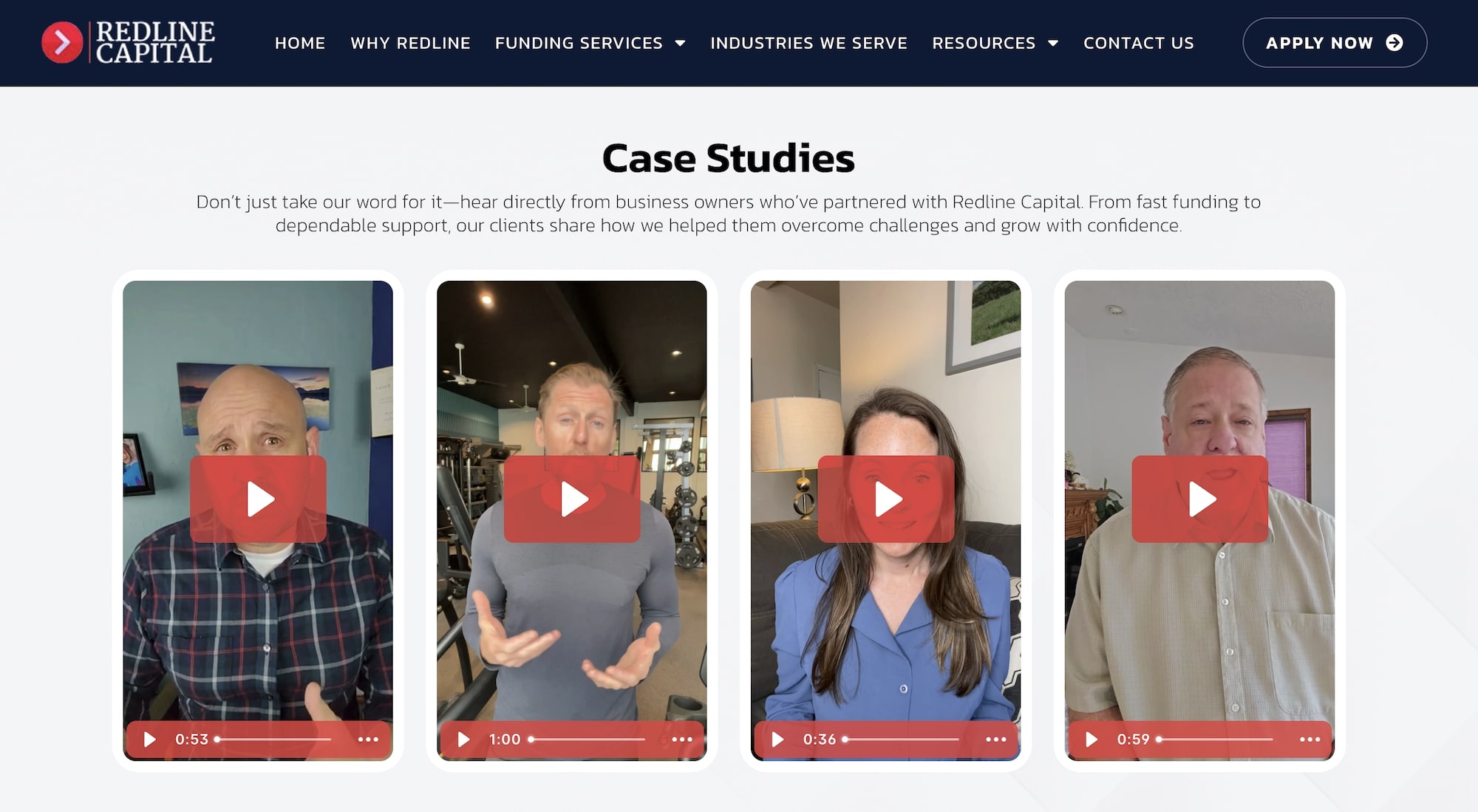
Here’s what borrowers say about our lending process:


Hear firsthand from business owners about how quickly we helped them close and the rates we secured:
Secure Fast Liquor Store Inventory Financing with Redline Capital
See what rates and terms you qualify for by submitting four months of bank statements and completing a short application.
2. Celtic Bank

Celtic Bank has built a strong reputation among liquor store owners who need dependable inventory financing, particularly those looking for SBA-backed options that balance affordability with long-term stability. Liquor stores often operate on thin margins and deal with unpredictable swings in product demand, and Celtic Bank’s programs help smooth out those cash-flow pressures by giving owners access to capital exactly when they need it.
One of Celtic Bank’s strengths is its deep experience with SBA 7(a) lending. That matters because inventory financing can get complicated for liquor store owners—purchase volumes spike, seasons shift, wholesale prices jump.
Celtic Bank understands both SBA requirements and the day-to-day realities of beer, wine, and spirits retailers, making the application and funding process more transparent and efficient.
The catch is that SBA loans take 60 to 90 days to fund, which isn’t ideal for liquor stores that need to restock quickly.
3. Fora Financial

Fora Financial is a direct lender frequently used by liquor store operators who need fast working capital to restock shelves, purchase bulk inventory, or manage cash-flow gaps.
They provide multiple funding products, including short-term loans, revenue-based advances, term loans, and revolving credit lines. They typically lend up to $1.5 million, and their credit lines usually range from $5,000 to $100,000.
Most liquor stores qualify with a 570+ credit score, at least $240,000 in annual sales, and six months of operational history. One of the biggest advantages is speed: Fora Financial often approves and releases funds within 24 to 72 hours, making it useful for store owners who can’t wait weeks to restock high-demand items.
They focus on short-term financing (up to 18 months), which fits liquor businesses that need capital for rapid-turnover inventory rather than long-term projects.
4. Bluevine

Bluevine is a strong option for liquor stores that need a flexible business line of credit they can tap into whenever inventory needs spike. As a direct lender, Bluevine offers revolving credit up to $250,000, with repayment terms between 6 and 12 months.
To qualify for Bluevine’s credit line, liquor store owners typically need at least 12 months in business, a 625 credit score, and $10,000+ in monthly revenue. The application takes only minutes and delivers a near-instant decision, with funds often landing the same day (though some bank transfers may take up to three business days).
Bluevine works with most retail businesses, and liquor stores fall within the industries they regularly support.
5. Headway Capital

Headway Capital is another direct lender offering smaller-scale working capital solutions that liquor store owners often use for inventory, POS upgrades, or seasonal purchasing. Their products include credit lines, term loans, cash advances, and general small business financing up to $100,000.
Stores typically qualify with 12 months of operating history and $50,000 in annual revenue, which makes Headway accessible for newer or smaller retail liquor operations. Their online application is simple, approvals are quick, and once accepted, funds are generally disbursed as soon as the next business day.
Because the financing is revolving, liquor stores can draw funds only when needed — ideal for covering sudden supplier discounts or replenishing fast-moving SKUs.
Frequently Asked Questions
Does SBA finance liquor stores?
SBA loans are designed for small businesses, including liquor stores. They come with lower rates and fees, as well as longer terms, up to 25 years. This makes them good loan options for liquor stores that need cash to expand their business. However, they typically take 60 to 90 days to fund, making it impractical for those who need funds quickly.
How long does the SBA loan application process take?
You can expect to receive your SBA loan approximately 60 to 90 days after submitting your application. During this time, the lender will underwrite all the paperwork you submitted, including your personal credit, cash flow, profit, collateral (e.g., commercial real estate, equipment), and anything else that may determine the likelihood of you repaying the loan.
How do I get liquor store loans?
In our experience, the most effective way for a liquor store to secure fast and affordable financing is through a revenue-based financing company. These financing solutions primarily focus on your revenue, so all you need to submit are a few months of bank statements showing your revenue. You can then get funded in 24 to 48 hours.
What can I use liquor store financing for?
Although some lenders may place limits on how you can use liquor store financing, the most common uses include restocking inventory, opening new locations, upgrading equipment and point-of-sale systems (POS), and acquiring existing liquor stores.
What should I look for in a liquor store lender?
The most important factor to consider in a liquor store lender is their requirements and the necessary paperwork to submit, as this is a reliable way to determine the likelihood of qualification and how quickly you can close. Lenders with strict requirements and extensive documentation requests are more likely to take a longer time to close. Instead, opt for a lender that employs common-sense underwriting and has minimal paperwork requirements.
What are the best financing options for purchasing liquor store inventory?
Revenue-based financing tends to work best for liquor stores because their primary consideration is your revenue. That means you simply need to meet the minimum monthly revenue requirement to qualify. On the other hand, traditional bank loans require large profit margins, strong cash flow, and low debt-to-income ratios, which isn’t possible for many liquor stores.